Professional real estate photographers don’t make a small room physically larger; what they do is use photography techniques to represent the available space clearly and effectively. That comes down to camera positioning, lens selection, composition, camera height, lighting, decluttering, furniture arrangement, straight vertical lines, showing how rooms connect to each other, and careful editing. The goal throughout is presenting the room attractively without creating a misleading impression of its actual size. A buyer who shows up in person should recognize the room from the photos.
Why Is Photographing Small Rooms Challenging?
Small rooms come with their own set of obstacles: limited shooting space, furniture that eats up a disproportionate share of the frame, narrow layouts, limited natural light, tight corners, and windows that create exposure differences a photographer has to balance against a darker interior. Difficult camera positioning compounds all of it. A small room genuinely requires more deliberate composition than simply pointing a camera at the largest wall and hoping for the best.
10 Techniques Real Estate Photographers Use for Small Rooms
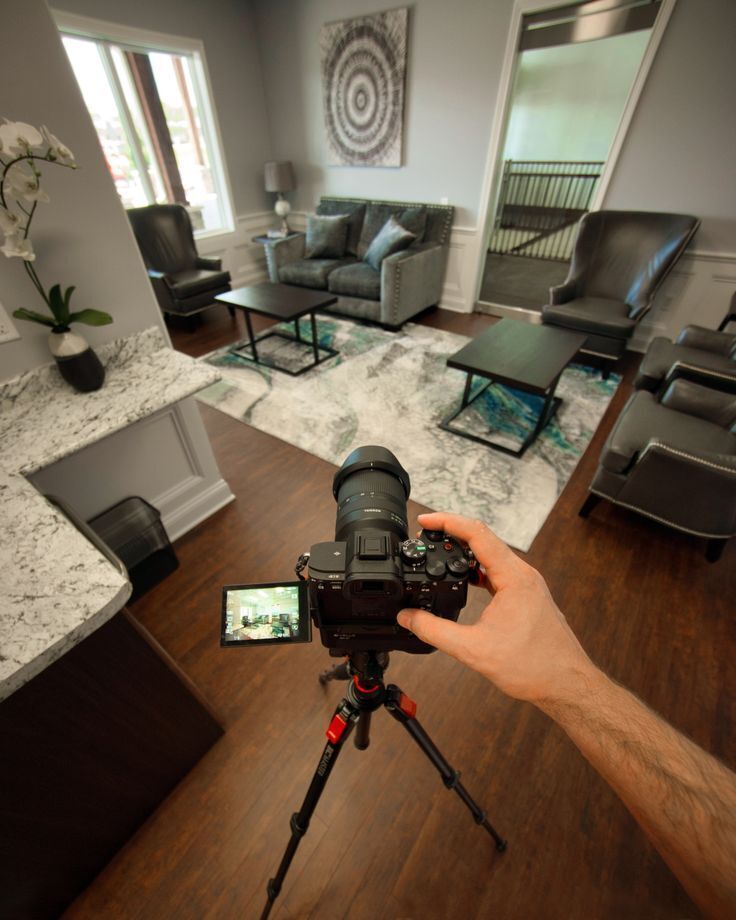
Choose the Right Camera Position. Where the camera sits in the room often determines how much of the space is actually visible in the frame.
Select an Appropriate Wide-Angle Perspective. A wider perspective can capture more of a confined space though wide-angle shouldn’t mean extreme distortion; excessive widening can make a room appear inaccurately large.
Keep the Camera at an Effective Height. Height affects how walls, furniture, and floor space all read in the final image.
Photograph From a Corner When Appropriate. A corner position can show multiple walls at once, along with how the room relates to adjacent spaces.

Keep Vertical Lines Straight. Door frames, walls, cabinets, and windows should read as naturally aligned straight lines make an image feel professional rather than distorted.
Use Natural Light Strategically. Windows can brighten a small space significantly when the photographer times the shot around good natural light.
Use Interior Lighting Carefully. Lamps and room lighting help create a balanced presentation, especially in rooms with limited window light.
Reduce Visual Clutter. Removing unnecessary objects makes a small room’s actual layout much easier to understand.
Arrange Furniture for Better Visual Flow. Furniture should support the room’s real function while still leaving pathways visible in the frame.
Capture the Connection Between Spaces. Photographing a doorway or opening can help viewers understand how a small room relates to the rest of the property.
How Does a Wide-Angle Lens Help With Small Rooms?
A wider field of view lets more of the room fit into a single frame, more visible floor area, more walls captured, a better overall sense of layout, and the ability to actually photograph tight spaces that a standard lens would struggle with.
Wide-Angle vs. Extreme Wide-Angle
Excessive wide-angle use introduces its own problems: distortion, stretched-looking furniture, unnatural proportions, and room dimensions that don’t match reality. Professional interior real estate photography aims to balance coverage against realistic representation wide enough to be useful, not so wide that it misleads.
Does Camera Height Matter in Small-Room Photography?
Camera height affects floor visibility, furniture proportions, wall visibility, and the overall composition of the shot. A photographer typically adjusts height based on the specific room’s layout, furniture, windows, and architectural features; there isn’t one universal camera height that works for every small room.
How Does Lighting Make a Small Room Look Better in Photos?
Natural Light
Windows, curtains or blinds, time of day, and outdoor brightness all shape how much natural light a small room actually gets during the shoot.
Interior Lighting
Ceiling lights, lamps, and accent lighting can fill in gaps that natural light alone doesn’t cover.
Balanced Exposure
Overly dark corners or blown-out windows both make a room harder to understand visually. The objective isn’t to artificially brighten every area, it’s to show the space clearly, with detail visible in both the brighter and darker parts of the frame.
Why Decluttering Matters Before Photographing a Small Room
Clutter has an outsized visual impact in a small space: excess furniture, countertop items, toys, clothing, cables, decorations, and storage items all compete for attention in a frame that already has limited room to work with. Removing what’s unnecessary makes the room’s actual layout much easier to see. For the full preparation walkthrough, see Real Estate Photography Preparation.
How Should Furniture Be Arranged Before Real Estate Photography?
Furniture shouldn’t simply be removed to make a room look empty; the goal is showing function, walking paths, layout, scale, and any genuinely useful features, all at once.
Living Rooms
Keep seating visually organized and avoid overcrowding with a small footprint.
Bedrooms
Let the bed serve as the natural focal point while keeping walking paths visible in the frame.
Home Offices
Keep the workspace organized without stripping it down so much that it looks artificially empty.
How Do Real Estate Photographers Use Composition to Show Small Spaces?
Composition techniques for small spaces include leading lines, symmetry where it fits naturally, doorway framing, corner compositions that capture multiple walls, showing available floor space, and avoiding unnecessary foreground objects that eat into the frame. Every composition choice should answer one question: what does this photo actually help the viewer understand about the room? That framing keeps the technique purposeful rather than just aesthetic.
Can Editing Make a Small Room Look Larger?
Editing can improve presentation, but it shouldn’t materially change the property’s actual dimensions. Appropriate adjustments include exposure, white balance, color, contrast, perspective correction, and overall consistency. What editing should avoid: artificially stretching a room, removing permanent walls, changing actual room dimensions, or misrepresenting property features in any way. A small room edited to look substantially bigger than it is creates a mismatch buyers will notice the moment they walk in.
What Should You Avoid When Photographing Small Rooms?
A practical list of what to skip: extreme wide-angle distortion, shooting directly into harsh light, excessive furniture left in frame, clutter, crooked vertical lines, too many nearly identical photos of the same small angle, making rooms appear unrealistically large, and hiding genuine room limitations rather than presenting them honestly.
Do Small Rooms Need Professional Real Estate Photography?
Professional photography tends to be particularly useful when space is limited, the layout is complicated, lighting is challenging, the room has important features worth highlighting, or the property needs photography that stays visually consistent throughout the listing. That said, professional photography isn’t a strict requirement for every small room; some spaces are simple enough that a well-composed casual photo does the job.
Small-Room Photography for Apartments and Multifamily Properties
Apartment Photography
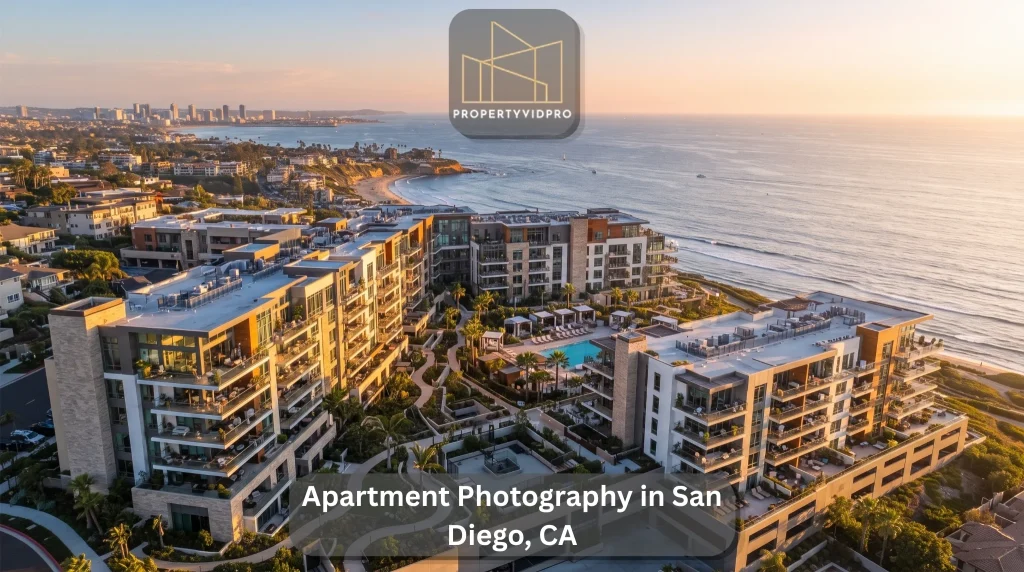
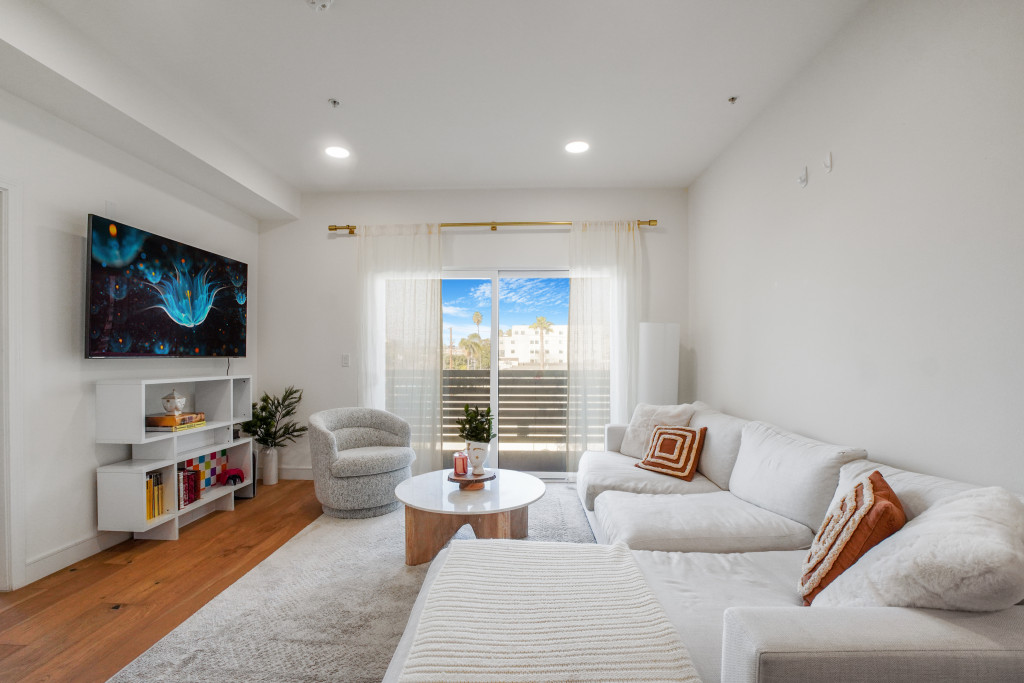
Small apartments often require careful composition to show the living space, kitchen, bedroom, bathroom, storage, and overall layout clearly, without making any single room look bigger than it is.
Multifamily Photography
Photographers working on multifamily properties may need to represent individual units, common spaces, amenities, smaller rooms, and overall building context. The goal is showing useful information, not inflating the sense of space.
Small-Room Real Estate Photography in La Verne and San Diego
La Verne Properties
Photographers working in La Verne deal with a range of room layouts, lighting conditions, and property sizes, all while maintaining accurate visual representation regardless of a room’s dimensions.
San Diego Properties
Small bedrooms, apartments, condos, home offices, and bathrooms all come up regularly in San Diego properties, where compact indoor spaces are common alongside larger outdoor areas.
How to Prepare a Small Room for Real Estate Photography
A quick checklist: remove unnecessary furniture, declutter surfaces, organize belongings, hide cables, clean windows, open appropriate blinds or curtains, make beds, remove unnecessary decorations, and create clear walking paths. For the complete room-by-room preparation guide, see Real Estate Photography Preparation.
PropertyVidPro Real Estate Photography
Professional property photography can help present different types of spaces clearly, including smaller interiors that are harder to shoot well without the right technique. PropertyVidPro offers real estate photography, interior real estate photography, apartment photography, multifamily photography, and Airbnb photography.
Conclusion
Professional real estate photographers don’t need to make a small room look unrealistically large to make it look good. Composition, camera position, appropriate perspective, lighting, decluttering, and accurate editing all work together to help viewers understand the space clearly. The strongest small-room photos show a room’s real proportions and genuine features while still presenting it in the most effective way possible; accuracy and quality aren’t in conflict here.
Frequently Asked Questions About Small-Room Real Estate Photography
How do real estate photographers make small rooms look better?
Through camera positioning, appropriate wide-angle use, lighting, decluttering, furniture arrangement, and careful editing not by physically altering the room.
Does a wide-angle lens make a room look bigger?
It captures more of the room in a single frame, but excessive wide-angle use can distort proportions rather than accurately represent the space.
Can photography make a small room look larger?
Not in terms of actual size, good technique presents the room’s real proportions as clearly and attractively as possible.
Should I remove furniture from a small room before photography?
Removing excess furniture usually helps, though the room should still look functional rather than artificially empty.
How can I make a small bedroom look better by listing photos?
Make the bed, clear surfaces, open curtains for natural light, and keep walking paths visible in the frame.
Should I use natural light for small-room photography?
Yes, generally natural light helps a small room read as brighter and more open, though interior lighting often fills in the gaps.
Can editing make a small room look bigger?
Editing can improve exposure and color, but it shouldn’t be used to stretch proportions or misrepresent the room’s actual dimensions.
How do photographers photograph small apartments?
With careful composition that shows the layout, function, and features of each room without exaggerating the available space.
Does camera height affect real estate photography?
Yes height changes how floor space, walls, and furniture all appear in the frame, and it’s usually adjusted per room.
How should I prepare a small room for professional photography?
Declutter, clean, organize furniture, and open appropriate light sources see our full preparation guide for more detail.