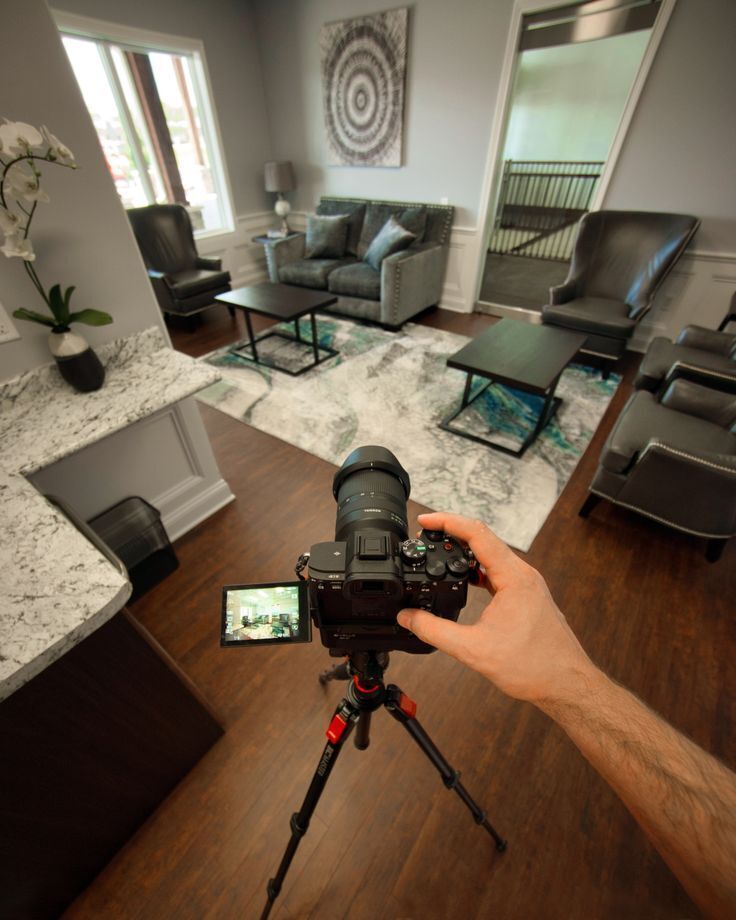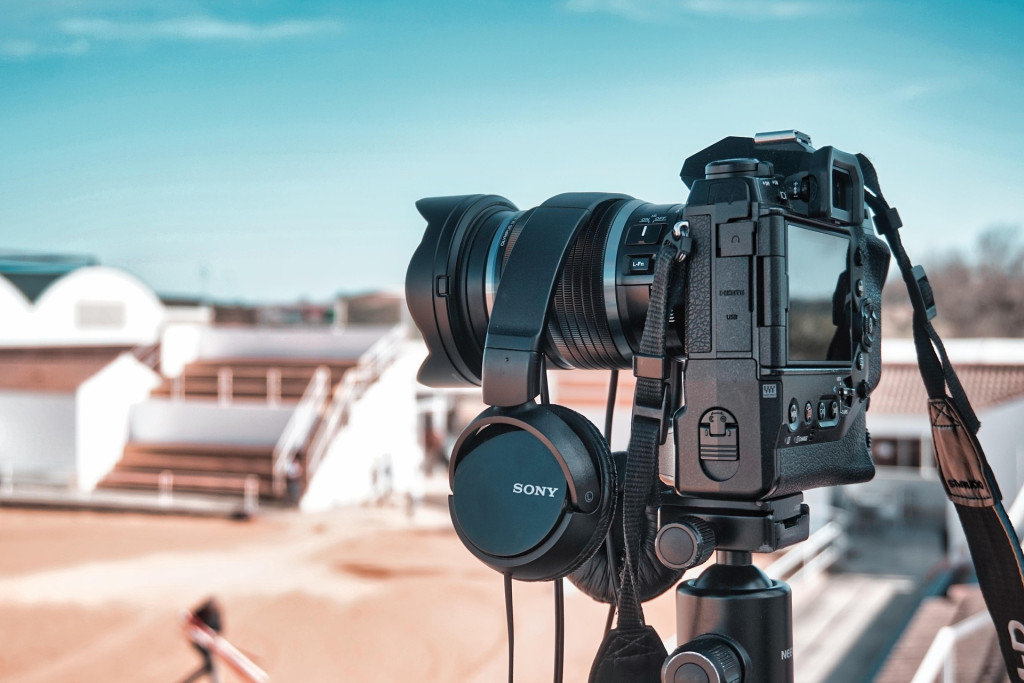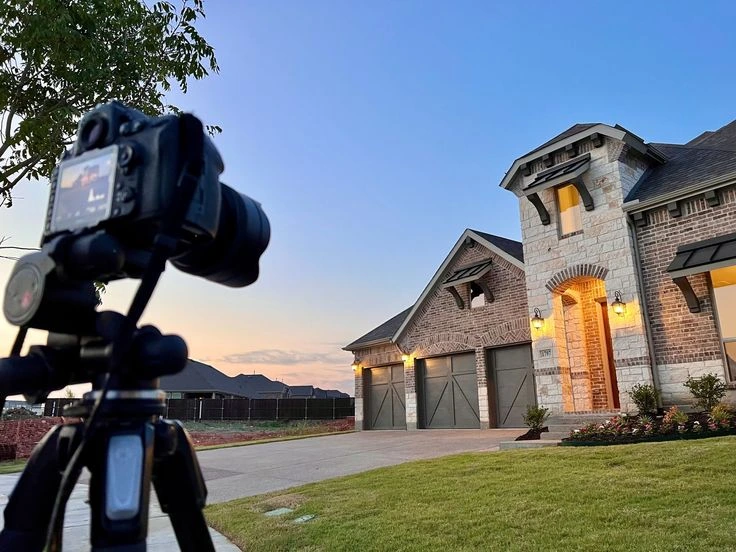
Both real estate photography and regular photography rely on the same underlying photography skills, but real estate photography is specifically focused on presenting properties accurately, clearly, and attractively for listings and marketing. The two differ in purpose, composition priorities, lighting approach, camera positioning, property coverage, editing standards, workflow, client goals, and how the final images get used. “Regular photography” isn’t one thing; it’s a broad category that includes portraits, events, products, landscapes, and lifestyle photography, each with its own priorities. Real estate photography, by contrast, is built entirely around presenting a space.
What Is Real Estate Photography?
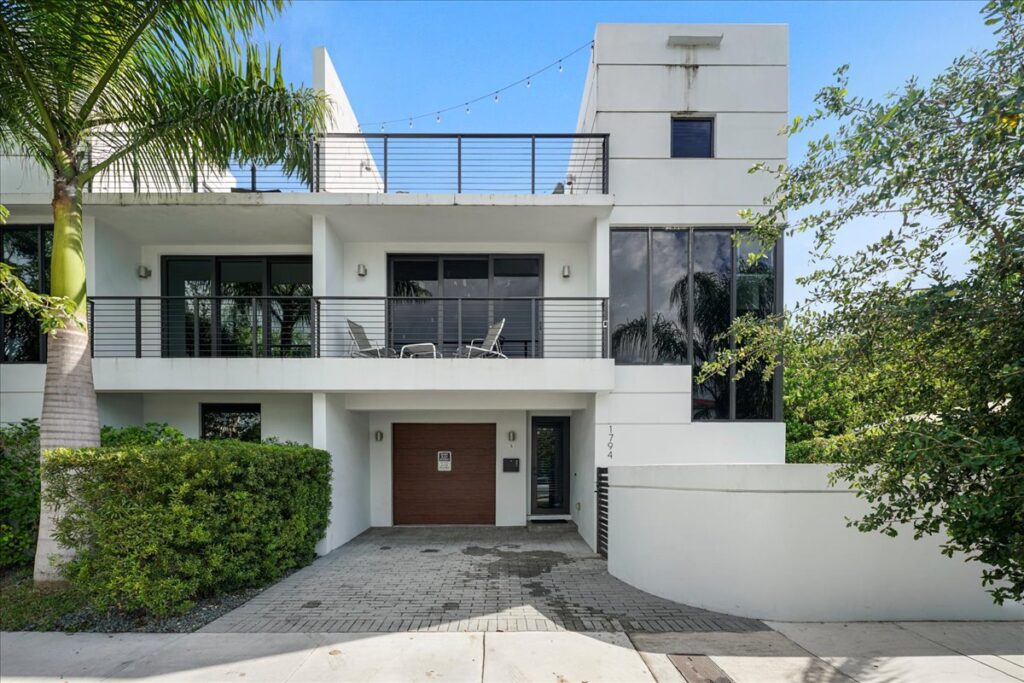
Real estate photography focuses on visually documenting homes, apartments, condos, multifamily properties, vacation rentals, and other property spaces, with the goal of supporting property listings, marketing, websites, social media, brochures, and other promotional materials. It’s a specialized form of property photography built around one purpose: helping a viewer understand a space they haven’t physically entered. Real estate listing photography, specifically, is created with a listing’s actual requirements in mind complete, accurate coverage rather than a handful of attractive shots.
What Is Regular Photography?
Regular photography isn’t a single service; it’s an umbrella term covering portrait photography, event photography, wedding photography, product photography, lifestyle photography, travel photography, landscape photography, and more. The key distinction is what each type is designed around. Portrait, event, and product photography are typically designed around people, products, or moments. Real estate photography is designed around spaces and property features, a fundamentally different subject with different requirements.
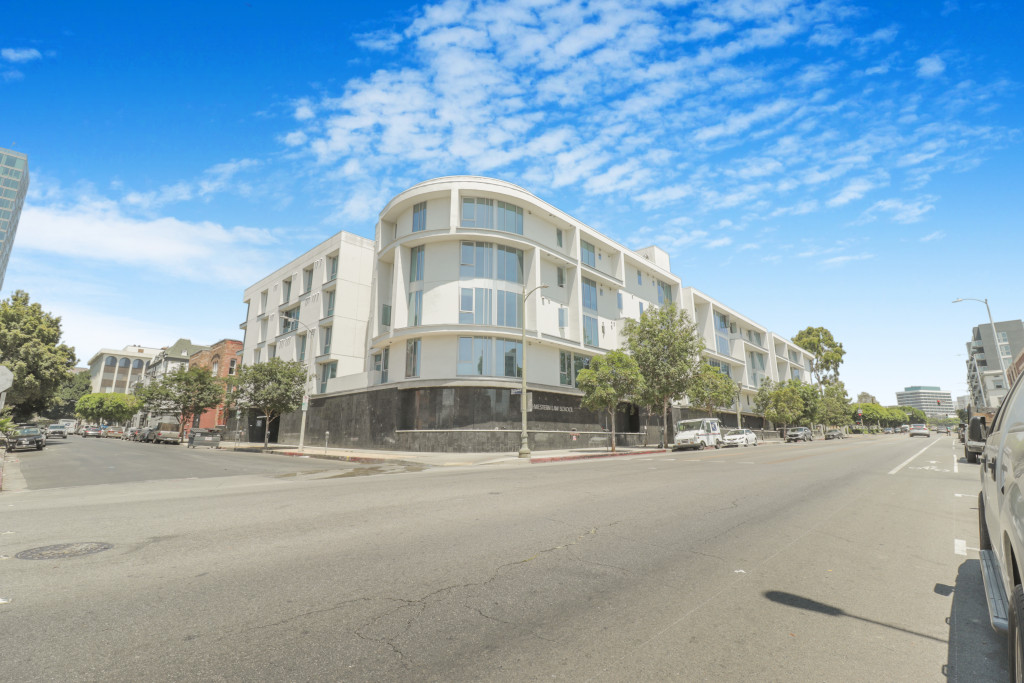
Real Estate Photography vs. Regular Photography: Key Differences
Different Photography Goals
Real estate photography aims to present a property clearly and accurately. Regular photography’s goal shifts depending on the subject capturing an emotional moment at a wedding is a very different objective than documenting a kitchen layout.
Different Composition Priorities
Real estate photography emphasizes room layout, use of space, architectural lines, features, and how different areas flow into each other. Composition here communicates information, not just aesthetics.
Different Lighting Challenges
Property photography often means dealing with windows, mixed indoor and outdoor lighting, dark interior corners, bright exterior light, and multiple light sources within a single frame challenges that don’t come up the same way in a studio portrait session.
Different Camera Angles
Real estate photographers select angles carefully, aiming to communicate the space accurately without making a room look misleading or unrealistically large.
Different Coverage Requirements
A property shoot generally requires a systematic approach covering bedrooms, bathrooms, kitchen, living spaces, exterior, and important features closer to a checklist than a creative shoot with room for spontaneity.
Different Editing Requirements
Editing in real estate photography typically focuses on exposure, white balance, color consistency, and perspective not on making the property look materially different from reality.
Different Client Expectations
A real estate agent or property owner needs a usable, complete collection of property images, not simply a handful of attractive photographs, which is often what a regular photography client is looking for.
Why Does Composition Matter More in Real Estate Photography?
Composition in real estate photography does more than make an image look nice; it helps a viewer actually understand the space. That means showing room layout clearly, keeping vertical lines visually controlled, selecting angles that communicate useful information, avoiding unnecessary clutter in the frame, showing how spaces relate to each other, and highlighting the features that matter most. A “pretty” photo that doesn’t communicate the room’s actual layout isn’t doing its job, even if it’s technically well-shot.
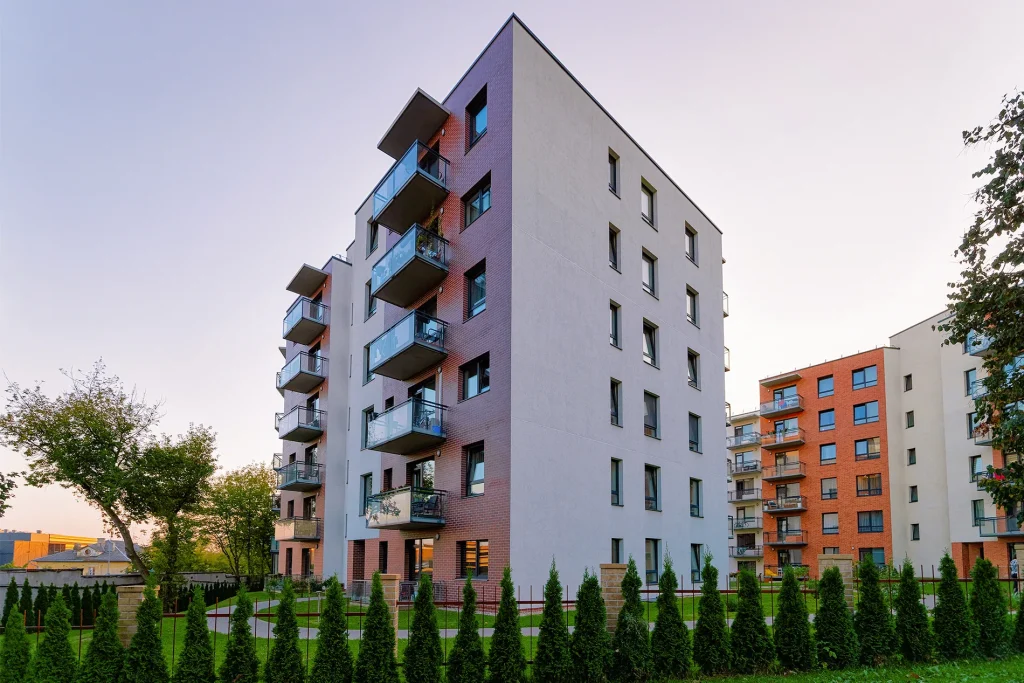
How Is Lighting Different for Property Photography?
Interior Lighting
Natural window light, ceiling lights, lamps, and mixed lighting sources all need to be balanced within the same frame, a challenge unique to interior spaces.
Exterior Lighting
Sun position, shadows, time of day, and sky conditions all affect how exterior photos turn out, sometimes requiring a photographer to time certain shots around better conditions.
Consistency Across the Listing
Images throughout one property should carry a reasonably consistent visual appearance — a listing that jumps between different lighting styles from room to room tends to feel disjointed.
Why Are Straight Lines and Perspective Important in Real Estate Photography?
Walls, door frames, cabinets, windows, and other architectural lines should generally appear naturally aligned. Distorted perspective walls that lean, doorframes that curve can make a room genuinely difficult to interpret, even if the distortion wasn’t intentional. There’s an important distinction here: correcting distortion so a room reads accurately is useful; manipulating an image to misrepresent the actual space is not.
How Is Editing Different for Real Estate Photos?
Appropriate editing in real estate photography includes exposure correction, white balance, color correction, perspective adjustments, overall consistency, and removing minor distractions where reasonable. What editing shouldn’t do is hide significant property defects, misrepresent a room’s actual size, change permanent property features, or create an impression that doesn’t match what a buyer will see in person. This distinction matters for trust a listing’s photos need to hold up once someone actually walks through the door.
Why Does a Real Estate Photographer Need a Property-Focused Workflow?
A professional real estate photographer isn’t simply walking through a property taking random pictures. A property-focused workflow typically includes a walkthrough, identifying key features, planning coverage, selecting camera positions, photographing interiors and exteriors, capturing important details, optional aerial or drone photography, reviewing coverage before wrapping up, and editing afterward. For the full breakdown of what this actually looks like in practice, see What Does a Real Estate Photographer Do for a Property Listing?
Can a Regular Photographer Take Real Estate Photos?
Yes, technically but real estate-specific experience tends to matter. Property composition works differently than portrait or event composition, room coverage needs planning rather than spontaneity, lighting can be genuinely challenging in mixed interior/exterior settings, perspective control matters more, and listings need consistent coverage across the whole set, not just a few strong individual shots. This isn’t a claim that only dedicated real estate photographers can produce good property photos; it’s that relevant experience tends to show in the results.
When Should You Hire a Professional Real Estate Photographer?
Specialized experience tends to matter most for a property listing, a high-end home, a large property, an apartment, a multifamily property, an Airbnb, a property with significant outdoor features, or a property that needs aerial imagery. These are situations where the coverage requirements and composition challenges go beyond what a casual photo session typically handles well.
What About Drone Photography?
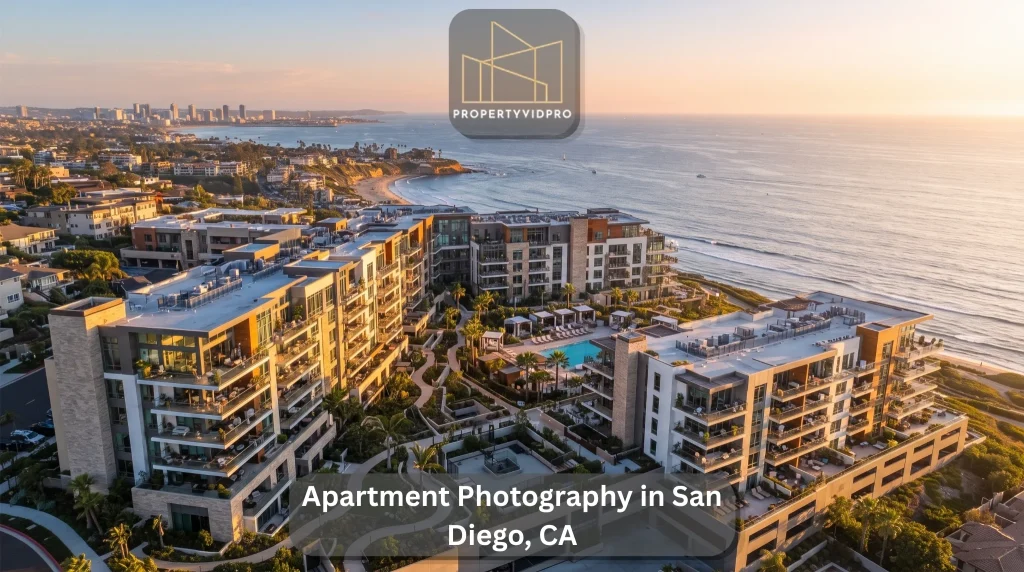
Aerial photography differs from traditional property photography in what it can show: property context, lot perspective, the surrounding area, large outdoor spaces, building scale, and aerial property views that ground-level photos simply can’t capture. Drone photography is an additional visual perspective, not a replacement for interior photography; the two serve different purposes within the same listing. Learn more about Drone Services for properties where aerial coverage adds real value.

Real Estate Photography for Apartments, Multifamily Properties and Airbnb
Apartment Photography
Focuses on unit interiors, kitchens, bedrooms, bathrooms, amenities, and building or exterior context.
Multifamily Photography
Focuses on building exterior, representative units, common spaces, amenities, and outdoor areas.
Airbnb Photography
Focuses on the guest experience specifically sleeping areas, living areas, kitchen, amenities, and outdoor spaces.
Real Estate Photography in La Verne and San Diego
La Verne Properties
Photography in La Verne can help present residential interiors, exteriors, landscaping, architectural details, and outdoor areas where a property has them.
San Diego Properties
San Diego photography needs often extend to indoor/outdoor spaces, views, balconies, patios, pools, and amenities though not every property in the area will have all of these.
How to Choose a Photographer for Your Property
A quick summary: review their real estate portfolio, check both interior and exterior work, ask about experience with your specific property type, ask about drone availability, understand what’s included in the package, and confirm scheduling and delivery expectations. For a deeper look at photographer selection, see What Should I Look for in a Real Estate Photographer in San Diego? and How to Choose a Real Estate Photographer in La Verne, CA (once published).
PropertyVidPro Photography Services
PropertyVidPro is a resource for property-focused visual content across La Verne and San Diego, offering real estate photography, drone services, apartment photography, multifamily photography, and Airbnb photography.
Conclusion
Real estate photography is purpose-built photography for properties focused on space, layout, architecture, features, lighting, consistency, and accurate presentation, rather than the broader creative goals that drive most regular photography. Having general photography experience doesn’t automatically mean a photographer specializes in property presentation, which is worth keeping in mind when choosing who photographs a listing in La Verne or San Diego.
Frequently Asked Questions
What makes real estate photography different from regular photography?
Real estate photography is purpose-built to present a property’s space, layout, and features clearly regular photography covers a much broader range of subjects and goals.
Can any photographer take real estate photos?
Technically yes, though real estate-specific experience with composition, lighting, and coverage tends to show in the results.
Why is perspective important in property photography?
Distorted perspective can make a room difficult to interpret accurately straight, natural-looking lines help a viewer understand the actual space.
How is real estate photography edited?
Through exposure correction, white balance, color correction, and consistency adjustments without misrepresenting the property’s actual condition or size.
Is drone photography part of real estate photography?
It’s often offered as an additional service rather than a default inclusion, adding an aerial perspective alongside standard interior and exterior photography.
Do apartments need professional photography?
Professional photography can help apartments show units, amenities, and common areas clearly and consistently.
Is real estate photography useful for Airbnb properties?
Yes it helps communicate the guest experience through clear photos of living spaces, amenities, and outdoor areas.
How many photos should a real estate listing have?
It depends on property size and features rather than a fixed number see How Many Photos Should a Real Estate Listing Have? for a full breakdown.
How should I prepare a property for photography?
See our full preparation checklist for room-by-room guidance.
How long does a real estate photography session take?
It varies by property see How Long Does a Real Estate Photography Session Take? for what affects timing.